
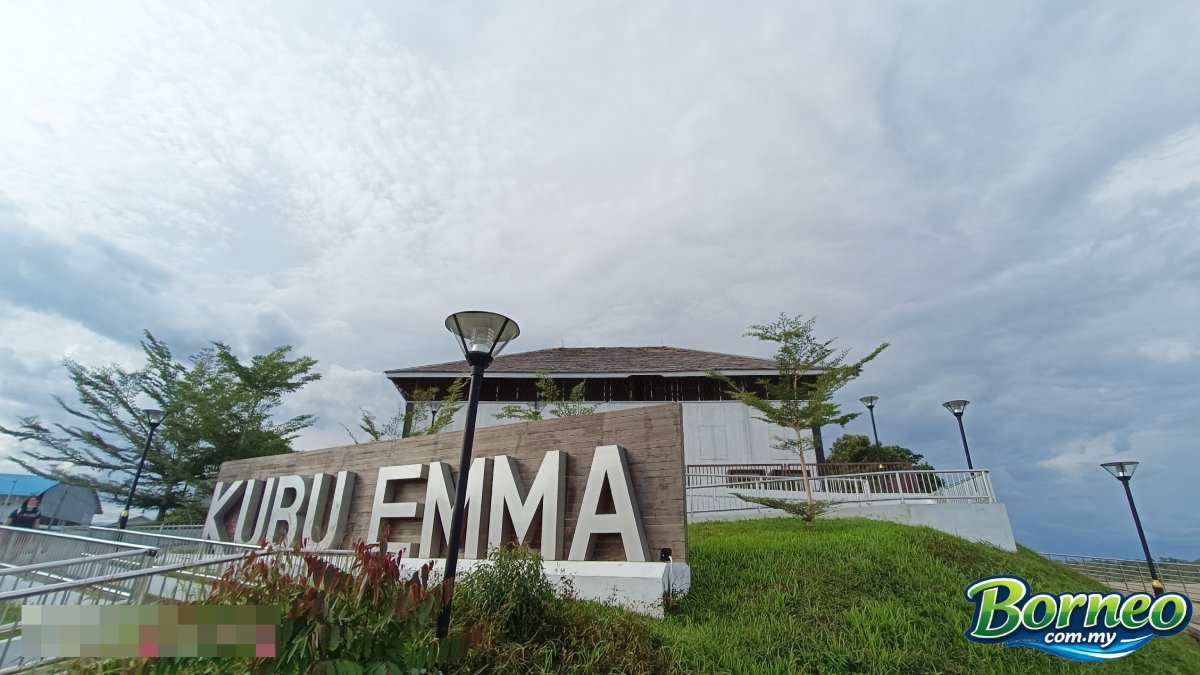
The administrative history of Kanowit District was first recorded with the construction of Fort Emma in 1851. Fort Emma was named in honour of the younger sister of Rajah James Brooke. It was originally built as a defensive structure to protect the settlement from attacks by the Iban people from Ulu Rejang, the Rajang-Melanau communities, and other groups living along the riverbanks.
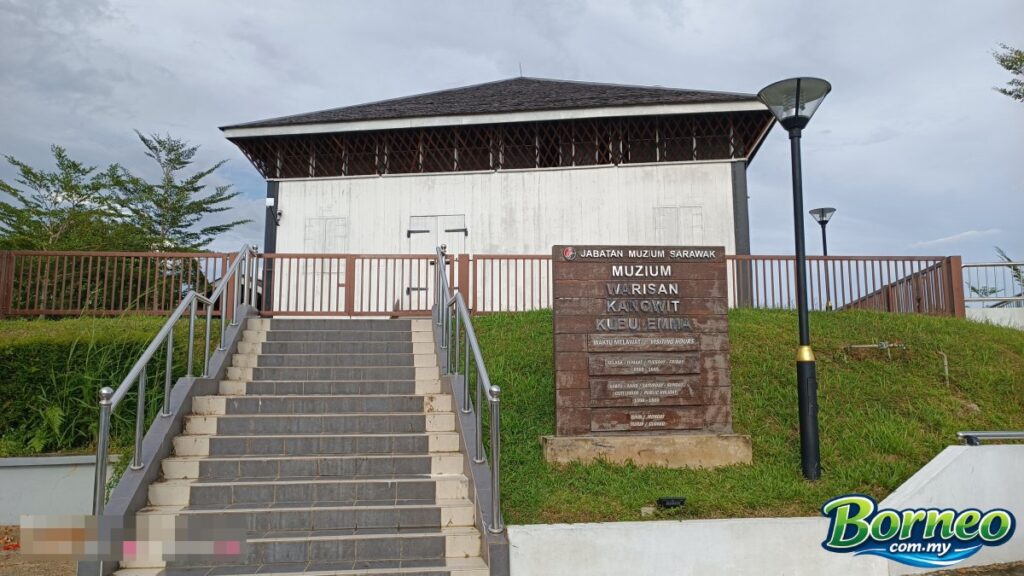
Initially, Fort Emma was located in the town centre, and most of its structure was built using bamboo. After its completion, the fort was once captured by the Dayak people. Several years later, it was relocated to a new site at the mouth of the Kanowit River. The rebuilt structure followed the original architectural design but was constructed using belian timber, a durable local hardwood.
Most of the internal fittings and household equipment were produced through the labour of the Iban and Rajang-Melanau communities. In return, the workers were compensated with goods such as rice, salt, and tobacco.
It is also noted that the lower level of Fort Emma was built without the use of cement. During that period, the ground floor was used as a detention area to house former prisoners. The prisoners were closely guarded by Sikh soldiers and the Sarawak Forest Police force.
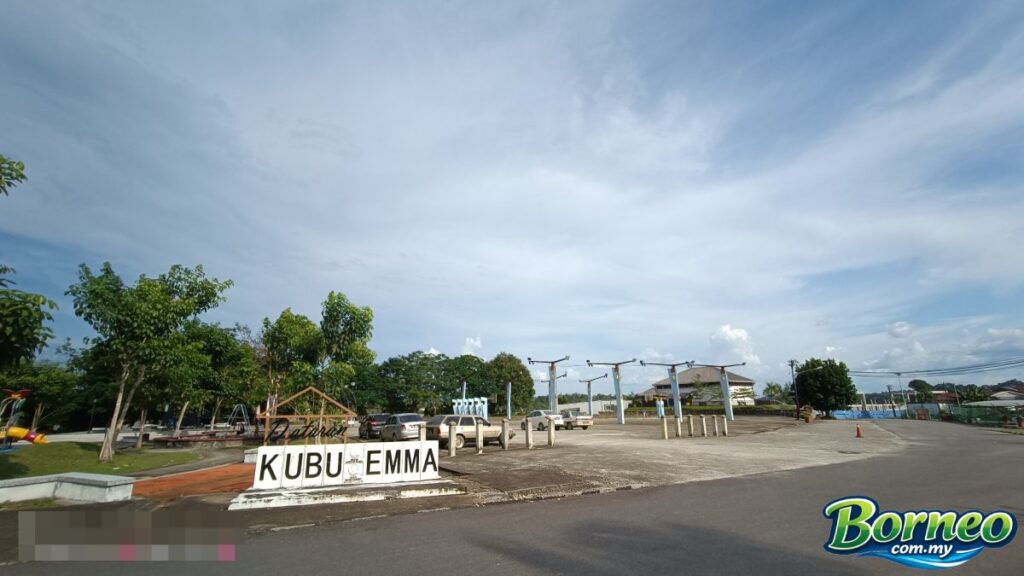
Meanwhile, the upper level of the fort served as an administrative and ceremonial office area under the local traditional chief (Abang). This level accommodated the District Officer and other administrative staff.
During the reign of Rajah Vyner Brooke, the upper floor of Fort Emma also functioned as a residence for district officials and visiting dignitaries, including the Rajah himself during his brief visits to Kanowit District.
Operating Hours:
- Tuesday – Sunday 9:00 AM – 4:30 PM
- Monday Closed