

Semenggoh Wildlife Centre is dedicated to caring for wild animals that are injured, orphaned, or previously kept as illegal pets. Located approximately 24 km from Kuching within the Semenggoh Nature Reserve, the centre focuses on wildlife conservation through rehabilitation, research, and public education.
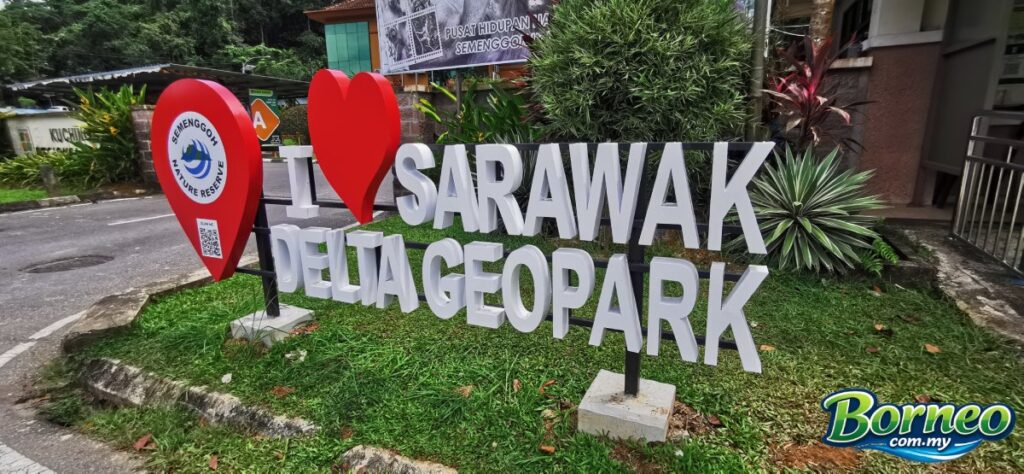
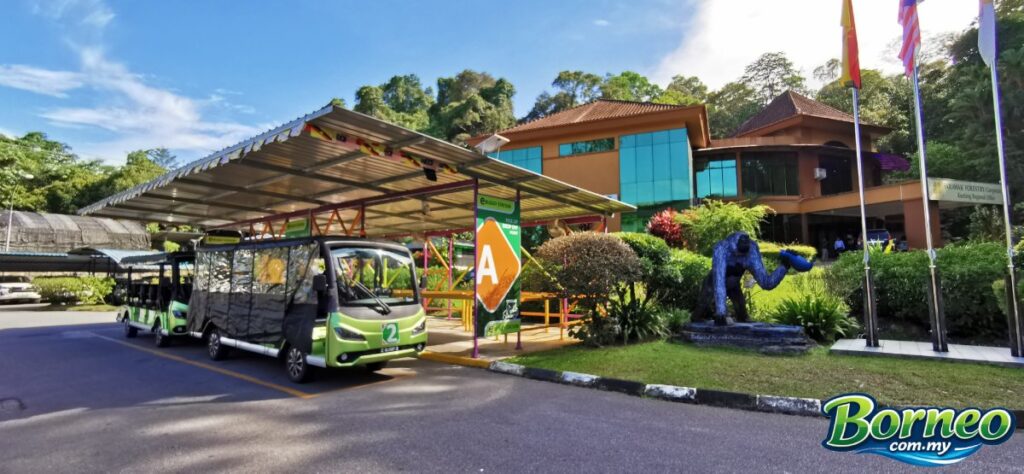
The primary objectives of the centre include rehabilitating injured or formerly captive animals for eventual release back into their natural habitats, supporting wildlife research and breeding programs for endangered species, and promoting public awareness of conservation efforts.
Today, Semenggoh serves as a vital research and conservation site for orangutan behaviour and biology. It also provides a semi-wild sanctuary for orangutans, including individuals born in the wild to rehabilitated mothers. Visitors to the centre have the rare opportunity to observe these remarkable primates living naturally within the forest environment.
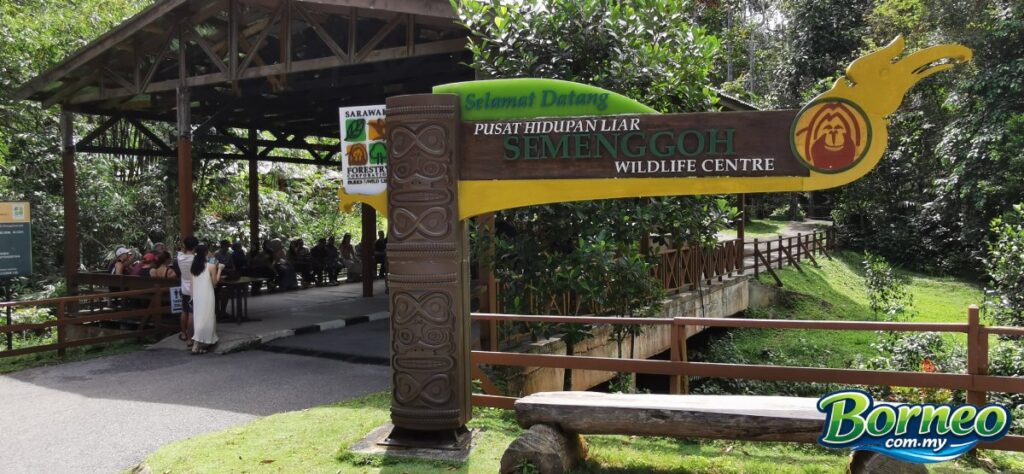
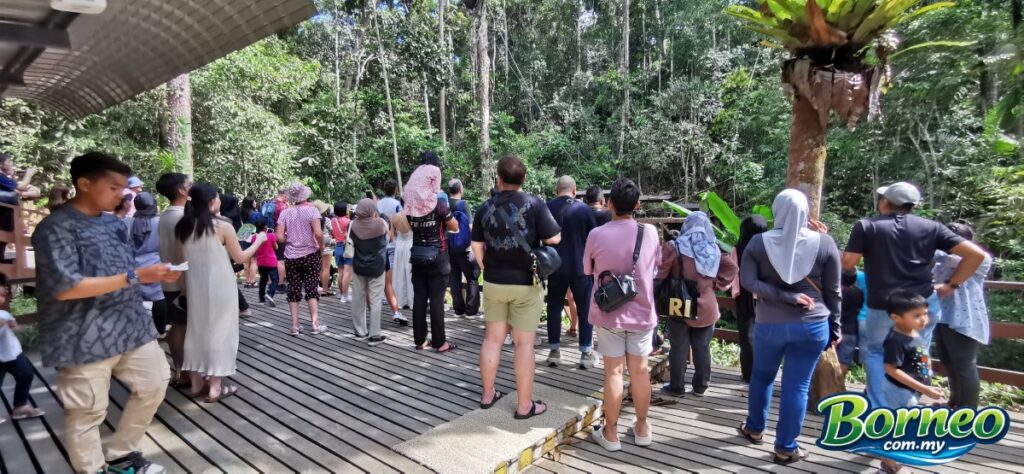
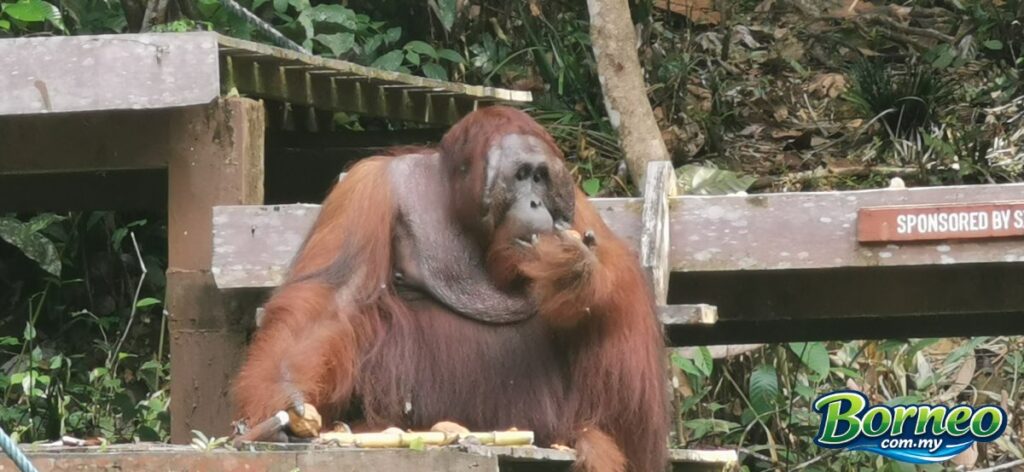
Orangutans are among the world’s largest arboreal primates and are native to the rainforests of Borneo and parts of Sumatra. Known locally as “people of the forest,” the name reflects the Malay words “orang” (person) and “hutan” (forest). Adult males can reach up to 150 cm in height, weigh around 100 kg, and possess an arm span of up to 240 cm, characterised by prominent cheek pads and a throat sac. Females are generally smaller and have long reddish hair.
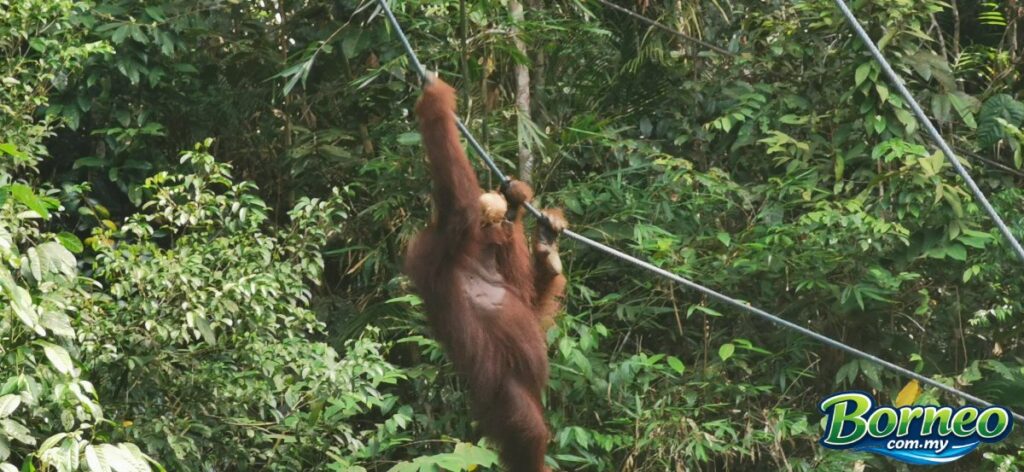
Orangutans have a slow reproductive cycle, with females giving birth approximately every 7–8 years and reaching maturity around 12 years old, while males mature at about 15 years old. With a lifespan that can exceed 50 years in captivity, they primarily feed on fruits but also consume leaves, insects, bark, flowers, eggs, and small reptiles. To ensure safety and conserve energy, orangutans typically build a new nest in the forest canopy each night.